







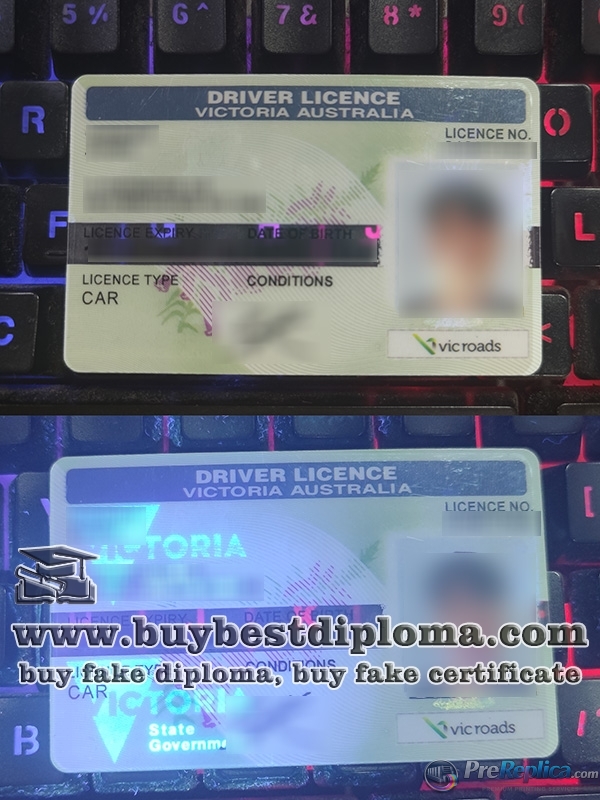
As no Australia-wide licensing scheme exists, rules for the issue of licences vary by jurisdiction. Nevertheless, licences are generally recognised and valid in other states and territories. Since 1997, nationwide uniform arrangements have been in place for the regulation of full drivers licences for motor vehicles, as well as their renewal.
Australia’s lack of identity cards has led to driving licences becoming the de facto photo ID used in everyday situations. In 2017, the federal government proposed creation of a national drivers licence database that would involve state or territory governments handing over the identities of drivers in a stated bid to toughen national security laws. The national ID database would be used to monitor public events, but could be transferred to a national drivers licence system with agreement from the states.
The driver of a vehicle carrying paying passengers (such as a school bus or tourist coach) is required to hold a driver licence depending on the size of the vehicle as well as a “Public Passenger Vehicle Driver Authority” which is issued by the state or territory Ministry of Transport.
Some states issue driver’s licenses for particular transmissions only, Australian driver licence. Drivers with an automatic-approved license are not able to drive manual-transmission vehicles, whereas manual-approved drivers are able to operate both. States such as South Australia have no such differentiation, and can drive both regardless of which they learnt with.